Retired Air Force Colonel Robert L. Stirm lived a story bigger than the famous photo that made him a symbol of hope. Before the picture, before the applause, he was a young fighter pilot flying with the 333rd Tactical Fighter Squadron in Vietnam. On October 27, 1967, his F-105 Thunderchief was hit over Hanoi. He ejected, survived, and was taken prisoner almost immediately.
His captors moved him through several prisons, including the Hanoi Hilton. The conditions were punishing. Food was scarce, beatings were common, and the psychological strain never eased. Still, he found small ways to stay connected to the world around him. One of those ways was a tapping code used to communicate with fellow prisoners.
Among them was John McCain, who occupied the cell next door. These short bursts of coded knocks helped the men hold on to their sanity.
The days dragged into months, and the months turned into more than five years. By the time the war shifted and negotiations began, Stirm had endured 1,966 days in captivity. The number alone suggests strength, but the deeper truth is that he survived through grit, discipline, friendship, and a mind that refused to break.
The Homecoming That Became an American Symbol
The News / On March 17, 1973, Stirm finally boarded a plane home as part of Operation Homecoming. The war had drained the nation, and families across the country longed for some kind of healing.
That feeling met him on the tarmac at Travis Air Force Base in California, as he stepped off the aircraft in his uniform.
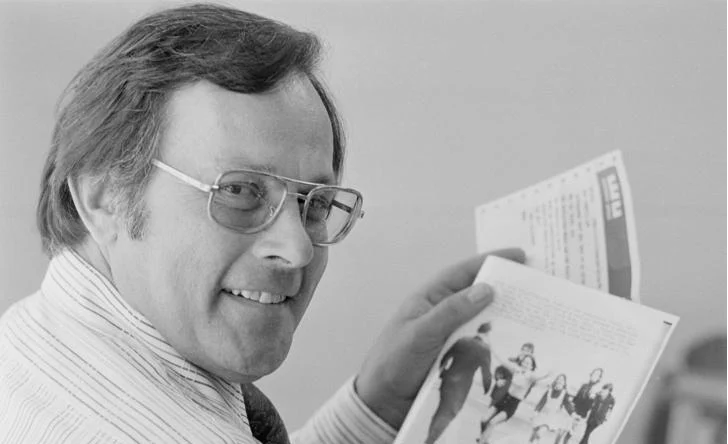
What happened next became one of the most famous images of the Vietnam era. Associated Press photographer Slava “Sal” Veder snapped the moment Stirm’s family rushed toward him. The photo centers on his 15-year-old daughter, Lorrie, sprinting toward her father with both feet in the air and her arms wide open. Her joy was raw and real, and the entire country seemed to share it. The picture, titled “Burst of Joy,” won the Pulitzer Prize for feature photography the next year.
People gravitated toward that photograph instantly. It seemed to capture a man stepping out of years of darkness and being welcomed by the steady glow of his family’s love. The image became a quick, emotional shorthand for relief after a time defined by tension and division. But the sudden fame attached to that moment also pushed Stirm into public view in ways he didn’t expect — and didn’t always find easy.
The Hidden Pain Behind the Famous Smile
The moment looked blissful, almost cinematic, but the reality leading up to it was anything but simple. Seventy-two hours before his plane landed, Stirm opened a letter that upended the future he had been holding onto. His wife, Loretta, told him their marriage was finished and revealed she had been with other men during his captivity. The news cut sharply — a devastating blow delivered just as he was preparing for the freedom he had dreamed of.
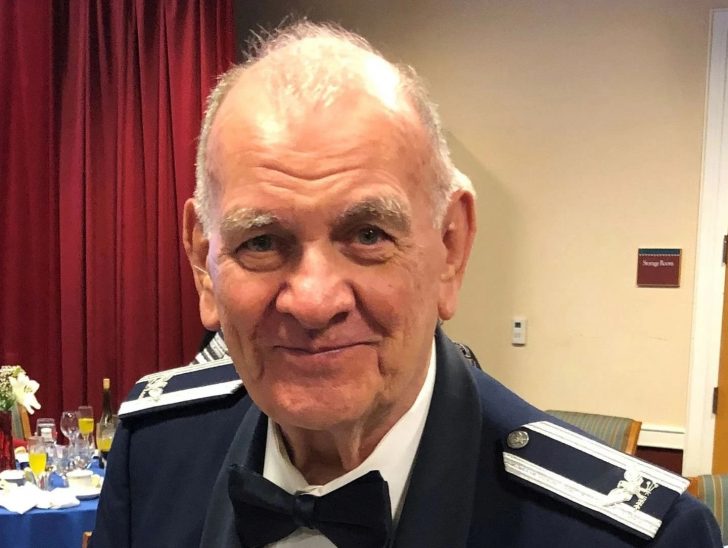
GTN / After returning home and recovering from his injuries, Stirm continued his military career. He retired from the Air Force in 1977 after serving for 25 years.
This painful reality stood in complete contrast to the joyful reunion captured by the camera. Stirm kept the letter to himself during those first emotional hours. He walked toward his family, trying to hold it all together, knowing everything had already changed. The couple divorced one year later.
His record was impressive. He earned three Silver Stars, two Legions of Merit, and other honors that reflected courage, leadership, and sacrifice.
Civilian life did not slow him down. He worked as a corporate pilot and helped with the family steel business. Friends and colleagues described him as disciplined yet warm, someone who carried himself with the calm focus of a man who had seen the worst and survived it.
Even though the “Burst of Joy” photo often overshadowed other parts of his story, Stirm stayed grounded. He understood why the picture mattered to so many people.